Tree Service Company in Coolidge, AZ
Coolidge's mix of historic downtown properties, agricultural land, and newer subdivisions requires diverse tree care expertise. We serve the entire Coolidge area, from Central Avenue to properties along Highway 87, with professional tree services tailored to this community.
(520) 347-8218Get a Free Quote
Our Services
From historic Coolidge neighborhoods to agricultural properties throughout Pinal County, we provide expert tree services for residential and commercial properties.
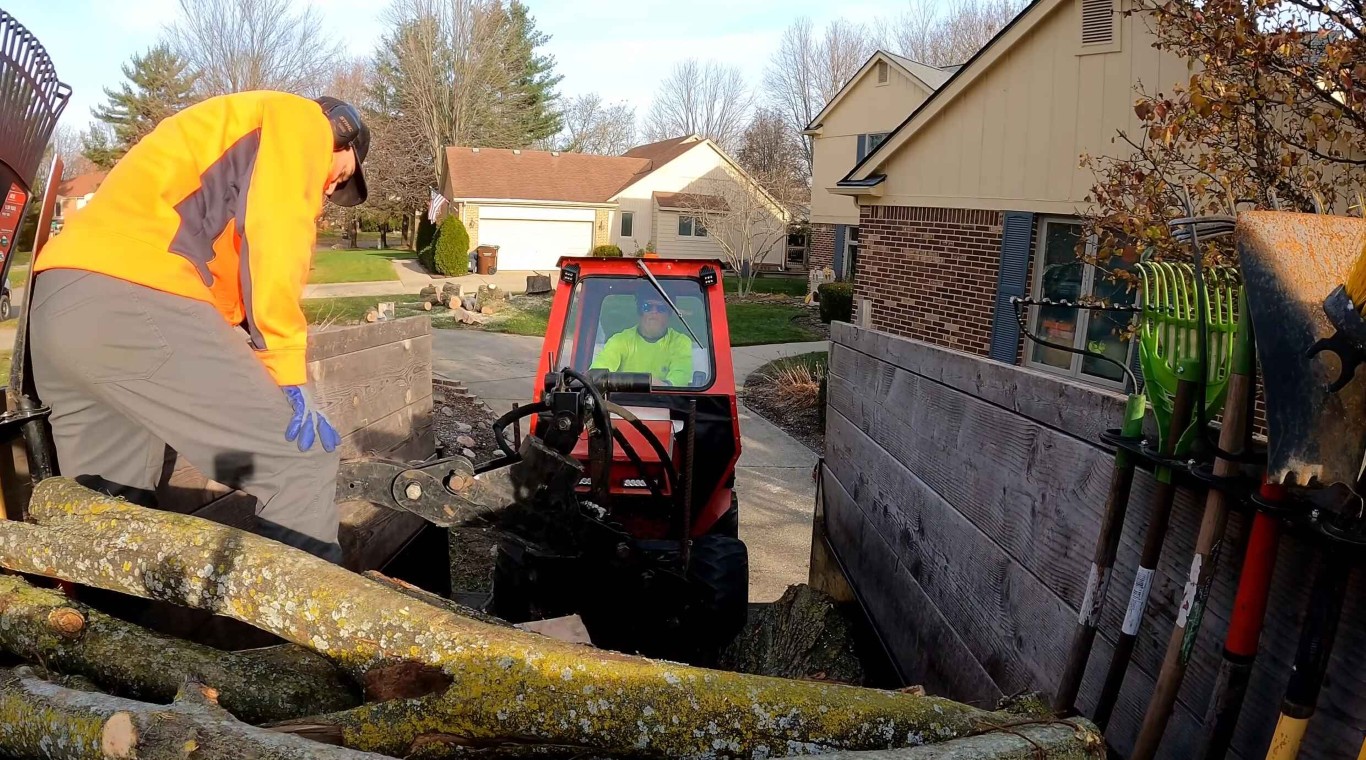
Tree Care in Coolidge's Historic Neighborhoods
Coolidge has some of Pinal County's oldest residential neighborhoods. Properties along Central Avenue and near Florence Boulevard have mature trees planted decades ago. These older trees provide incredible shade and character, but they also need regular attention. Ash, mulberry, and cottonwood trees common in these areas develop problems as they age.
The soil conditions in older Coolidge neighborhoods affect how trees grow and age. Years of irrigation have changed soil composition and drainage patterns. Trees that thrived for 30 years can suddenly decline as roots encounter problems. Properties near the Coolidge Elementary area and around Bay Street often have trees showing these age-related issues.
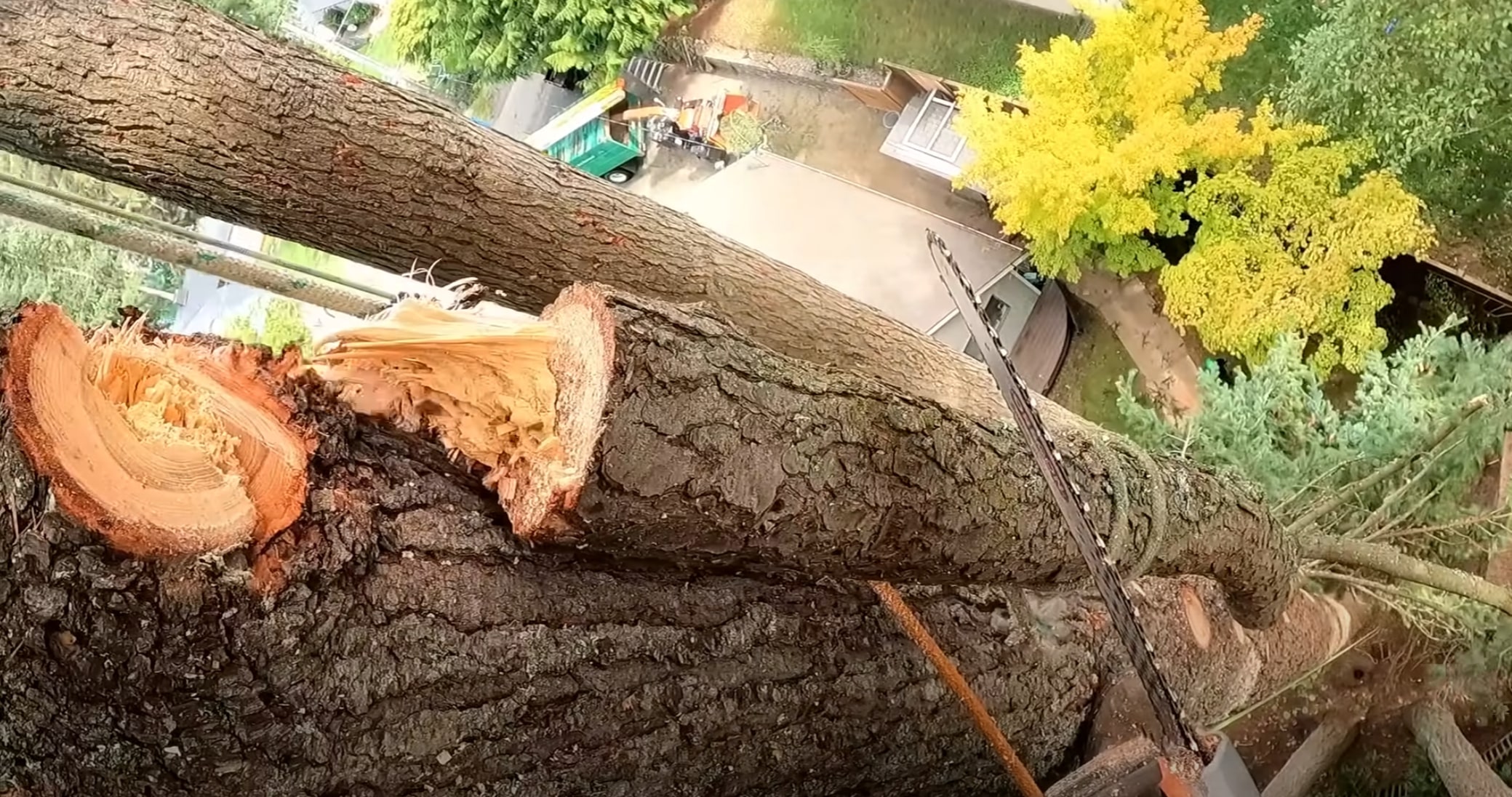
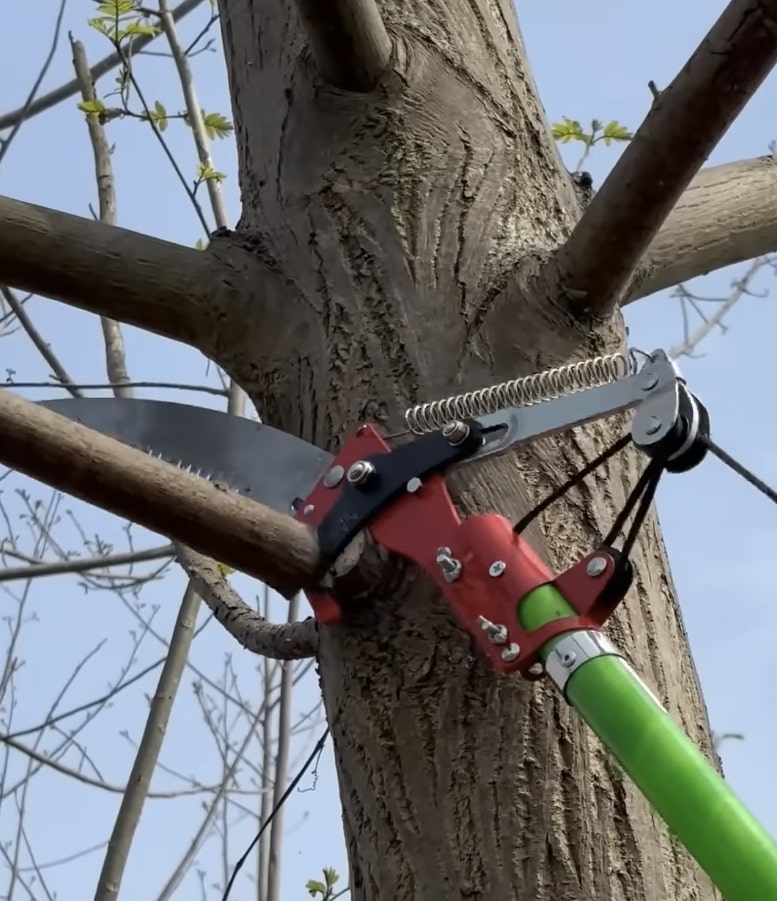
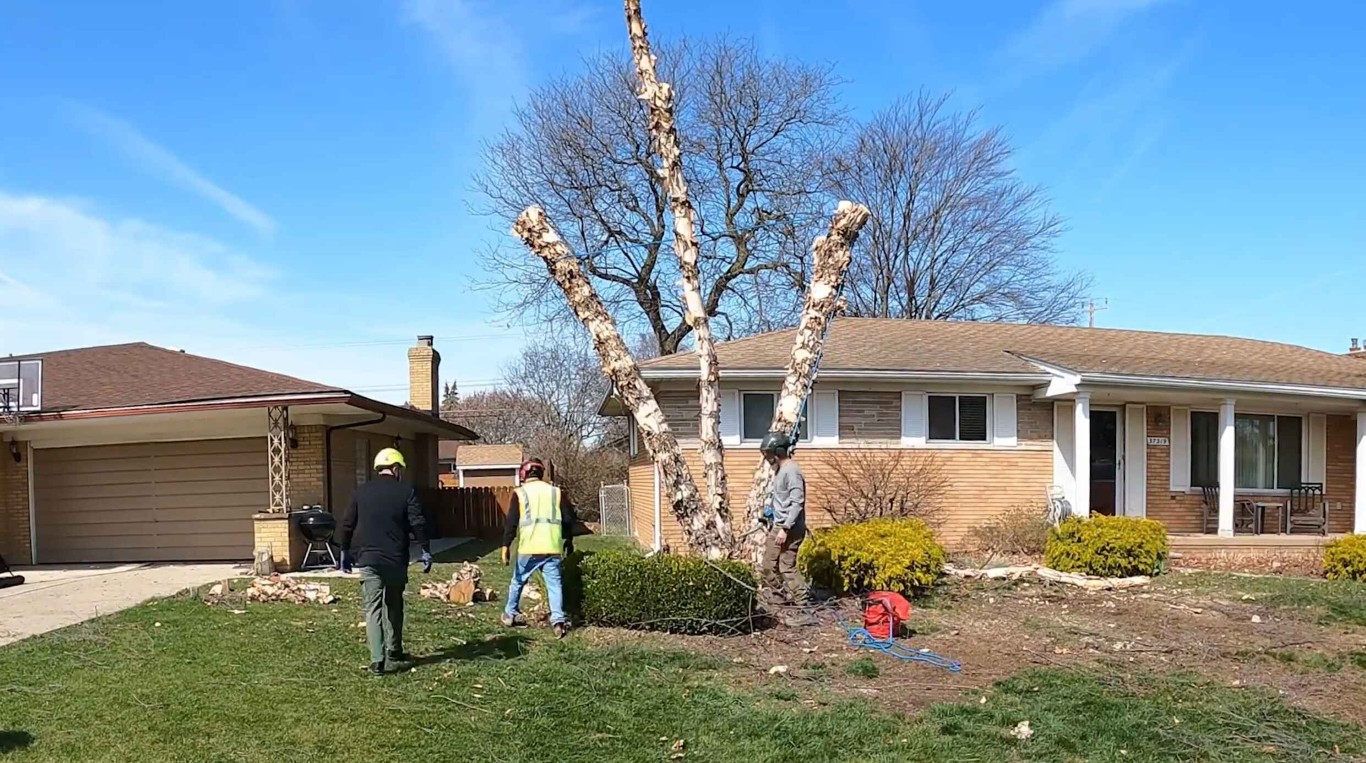
We've worked on Coolidge properties for years and understand how older trees behave here. Regular inspections catch problems early, before branches fail or trees become hazardous. Professional tree maintenance extends the life of mature trees and keeps your property safe. We know what to look for in Coolidge's established neighborhoods.
Tree Services for Coolidge Agricultural Properties
Coolidge sits in the heart of Pinal County's agricultural zone. Many properties have transitioned from farming to residential use while retaining features like windbreak trees and irrigation systems. These properties need specialized tree care that accounts for both their agricultural past and current residential use.
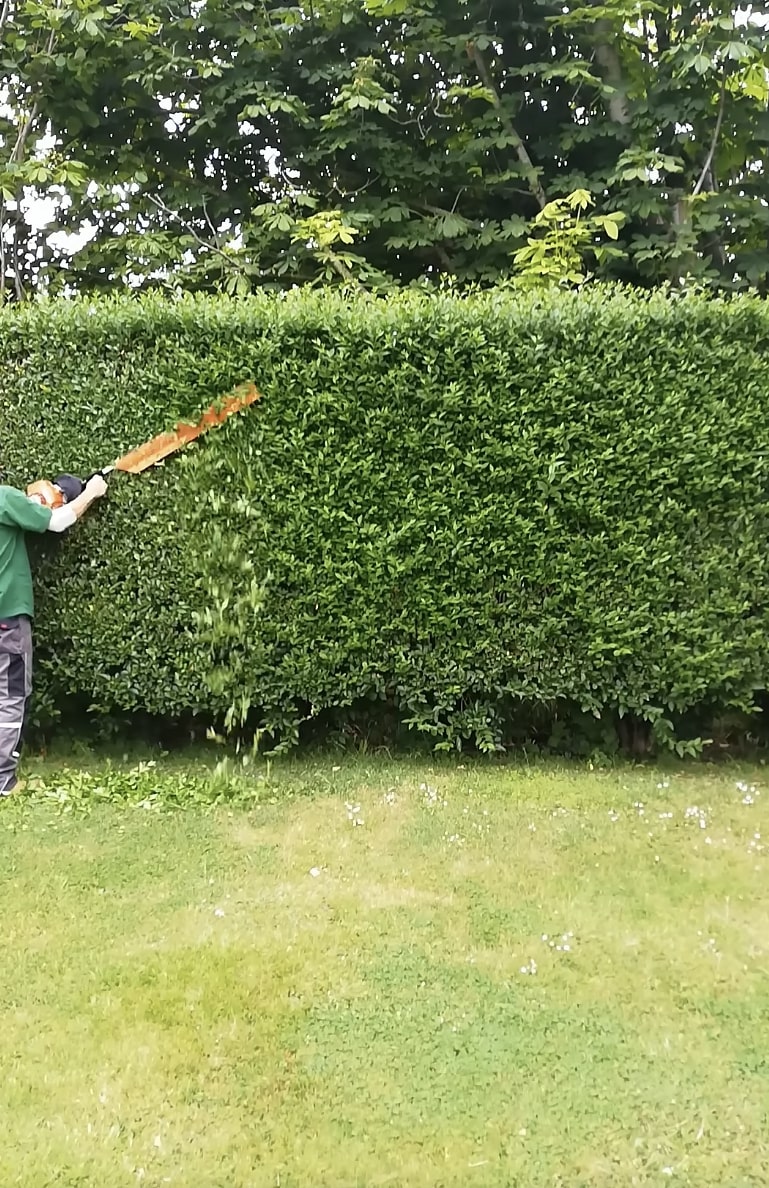
Windbreak trees planted to protect cotton fields and citrus groves often remain on converted properties. Eucalyptus and Aleppo pine were popular choices for this purpose. These trees grow large and provide excellent wind protection, but they also require regular maintenance. Without proper pruning, they become hazardous. Regular tree trimming keeps windbreak trees healthy and safe.
Properties along Arizona Boulevard and near the Coolidge Municipal Airport often have these legacy agricultural trees. We can evaluate your windbreak trees and recommend maintenance schedules. If trees have become too hazardous or large for your current needs, we can remove them safely and suggest replacement species better suited to residential settings.
Managing Coolidge Trees During Extreme Heat
Coolidge temperatures regularly exceed 110 degrees during summer. This extreme heat stresses trees beyond what most people realize. Even desert-adapted species struggle when temperatures stay elevated for weeks. Trees respond by dropping leaves, producing less growth, and becoming more susceptible to pests and diseases.
Proper pruning before summer helps trees survive heat stress. Thinning the canopy reduces water demand while maintaining shade. Removing dead wood prevents pest infestations that spread to healthy branches. Properties throughout Coolidge, from downtown to areas near Highway 87, benefit from pre-summer tree maintenance.
Heat-stressed trees also become fire hazards faster than healthy ones. Dead branches and stressed foliage are extremely flammable in Coolidge's dry climate. If you have trees showing signs of severe heat stress, they may need removal to protect your property. Professional tree removal eliminates these fire risks before they become dangerous. We evaluate tree health honestly and recommend the best course of action.
Our Process
Step 1: Free Consultation
We'll visit your Coolidge property to evaluate your trees and discuss your needs. Our arborist explains what work is necessary and why, using plain English instead of technical jargon. You'll receive a detailed written estimate with no obligation to hire us. We want you to make an informed decision that's right for your property.
Call (520) 347-8218Storm Damage and Emergency Response in Coolidge
Monsoon storms bring powerful winds and heavy rain to Coolidge every summer. The flat, open terrain around Coolidge means wind speeds build without obstruction. Trees throughout the area, from historic downtown to properties along Vah Ki Inn Road, experience storm damage annually. Proper preparation minimizes this risk.
Older trees in established Coolidge neighborhoods are especially vulnerable to storm damage. Years of heat stress and inadequate maintenance leave them weakened. When monsoon winds arrive, weak branches snap and entire trees can fall. Pre-season pruning removes these hazards before storms test your trees' strength.
When storm damage does occur, quick response prevents additional problems. Trees on roofs need immediate removal. Damaged trees blocking streets or driveways create safety issues. Emergency tree service is available 24/7 throughout Coolidge. We respond rapidly to secure your property and address dangerous situations. Our crews have the experience and equipment to handle storm emergencies safely.
Choosing Replacement Trees for Coolidge Properties
When you need to remove an old tree in Coolidge, you'll probably want to plant a replacement. Choosing the right species matters significantly here. Trees that work in other climates often fail in Coolidge's extreme conditions. You need species that can handle 115-degree heat, minimal rainfall, and alkaline soil.
Desert natives like mesquite, palo verde, and ironwood are excellent choices for Coolidge. They're adapted to local conditions and require minimal supplemental watering once established. These trees also provide good shade without constant maintenance. Many Coolidge homeowners prefer them because they fit the desert landscape aesthetic.
If you want faster-growing shade, species like Chinese elm and African sumac can work in Coolidge with proper care. These trees establish quicker than natives but require more water and maintenance. We can advise you on species selection based on your specific property conditions and long-term goals. Getting it right the first time saves money and frustration down the road.